

Imagine this: The bags are packed, the kids are buckled in, and the playlist is ready. You are finally heading off on your long-awaited summer holiday. But as you hit the motorway, traffic suddenly grinds to a halt. You slam your foot on the brake pedal. Does your car stop smoothly and safely, or do you feel a sudden wave of panic as the brakes feel spongy and slow to react?
When we plan a road trip, we usually focus on packing the sunscreen and checking the oil. But your brakes are the most critical safety feature on your vehicle. Before you pile in the family and load up the boot with heavy luggage, you need to be absolutely sure your stopping power is up to the task.
Here is why a quick trip to find brake repair near meshould be at the very top of your holiday checklist.
The Danger of Heavy Loads and Brake Fade
Carrying a heavy load completely changes how your car handles and stops. When you pack heavy suitcases, bicycles, or even a roof box, you add a lot of extra weight to the vehicle.
Every extra kilogram means your brakes have to work much harder to slow the car down. This extra pressure creates massive amounts of friction, which generates intense heat. If your brake components get too hot, you can experience a terrifying phenomenon called brake fade.
Brake fade happens when the brake pads and discs become so hot that they lose their grip. You press the pedal, but the car takes much longer to come to a stop. When you are driving at high speeds on the motorway or navigating steep hills on the way to the coast, brake fade can easily cause an accident.
The Silent Hazard: Brake Fluid Health
It is not just the physical pads that suffer under heavy use; your brake fluid plays a massive role too.
Brake fluid is a hydraulic liquid that transmits the pressure from your foot on the pedal directly to the wheels. Over time, brake fluid naturally absorbs moisture from the air. If your fluid contains too much water, the intense heat from summer driving can actually cause that water to boil and turn into vapour.
Since vapour compresses much more easily than liquid, you end up with a spongy brake pedal. In the worst-case scenario, your brakes could fail completely when you need them most. A quick car safety check can test the moisture levels in your fluid to make sure it is still doing its job safely.
Warning Signs You Shouldn’t Ignore
You do not need to be a mechanic to spot the early warning signs of failing brakes. Keep an ear and eye out for these common red flags:
- Squealing or Grinding Noises: A high-pitched squeak usually means your brake pads are wearing thin. A harsh metallic grinding sound means the pads are completely gone, and metal is rubbing against metal, damaging your brake discs.
- A Spongy Pedal: If the pedal feels soft or sinks all the way to the floor before the car slows down, you likely have a fluid issue or air in the system.
- Pulling to One Side: If the car veers to the left or right when you brake, one of your brake calipers might be sticking.
- Vibrations: Feeling a shudder through the steering wheel or brake pedal often points to warped brake discs.
Don’t Let the Brake Pads Cost Put You Off
A lot of drivers put off getting their brakes looked at because they worry about the brake pads cost. However, ignoring the issue always costs more in the long run.
Replacing worn brake pads early is a relatively simple and affordable fix. But if you wait until the pads are totally worn away, they will ruin your expensive brake discs and potentially damage your calipers too. What could have been a cheap fix turns into a massive repair bill, not to mention the priceless risk to your family’s safety.
Get Road-Trip Ready with Tyre Shack
Before you set off on your high-mileage summer adventure, let the experts give you total peace of mind. If you are looking for reliable brakes Southampton services, Tyre Shackis here to help.
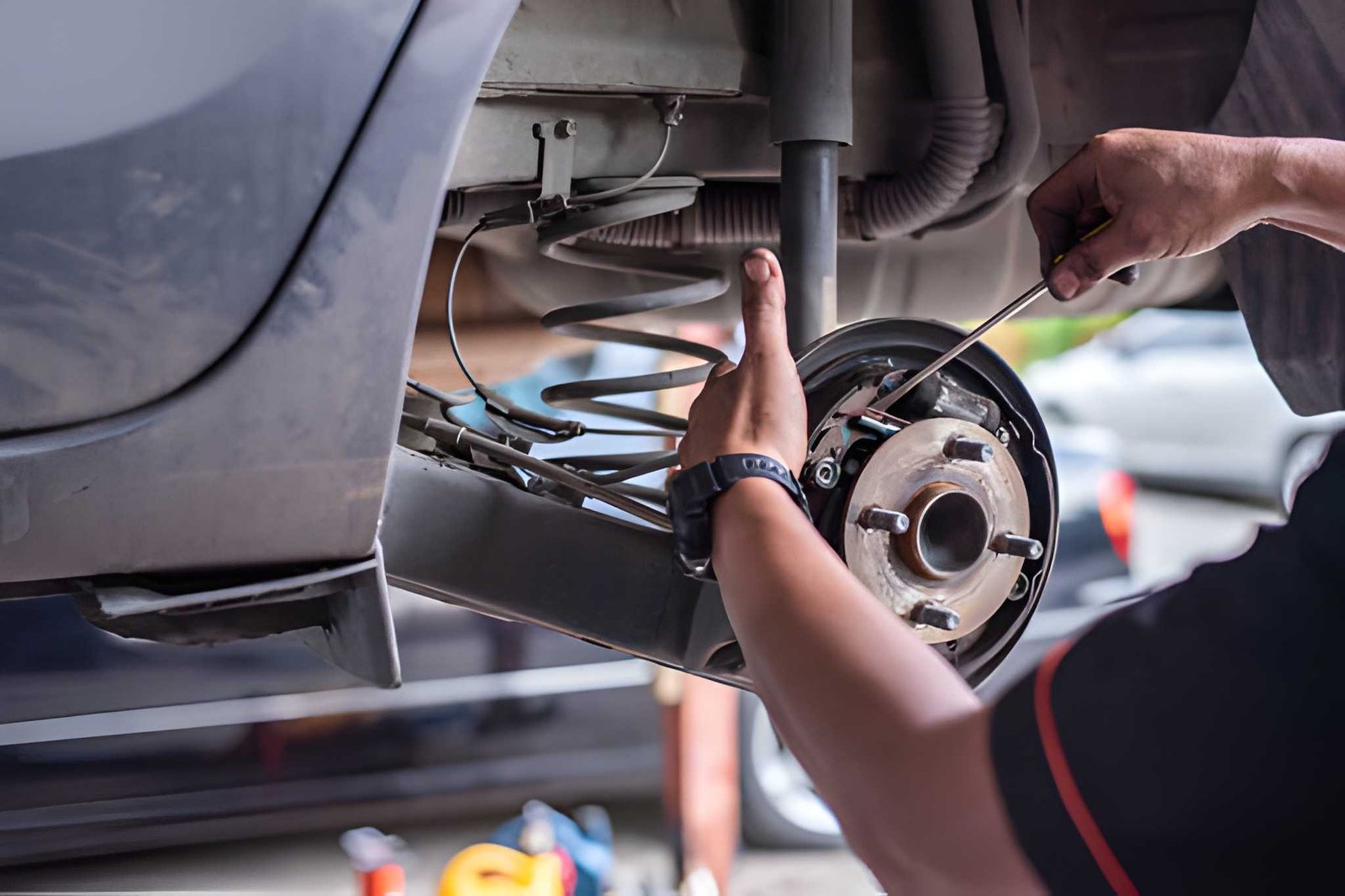
Pop into our garage for a thorough car safety check. We will inspect your pads, discs, and fluid to ensure your car has the absolute best stopping power for the journeys ahead.
Frequently Asked Questions
How often should I have my brakes checked?
It is a good rule of thumb to have your brakes inspected at least once a year, or every 10,000 to 12,000 miles. However, you should always get them checked before embarking on any long holiday road trips with heavy loads.
How long do brake pads usually last?
Brake pads generally last between 25,000 and 65,000 miles. Their lifespan depends heavily on your driving style, the types of roads you use, and how often you carry heavy cargo.
Can I just top up my brake fluid myself?
While you can top it up, low brake fluid usually indicates a leak or heavily worn brake pads. It is always safest to have a professional technician inspect the system to find the root cause of the low fluid.
What causes brakes to squeak in the morning?
Usually, it is just a thin layer of overnight moisture or rust on the discs. It should go away after a few stops. If it persists, your pads are likely worn out.
Does a heavy roof box or caravan affect braking?
Yes. The extra weight increases your stopping distance. You should leave a much larger gap behind the car in front and brake gently to avoid overheating.